Home>Education>Cultural Exchange Programs and Education in the Balkans
Education
Cultural Exchange Programs and Education in the Balkans
Published: February 16, 2024
Explore the transformative power of Balkan cultural exchange programs and education, fostering global understanding and collaboration.
(Many of the links in this article redirect to a specific reviewed product. Your purchase of these products through affiliate links helps to generate commission for Regretless.com, at no extra cost. Learn more)
Table of Contents
In the heart of Southeast Europe, the Balkan Peninsula is a melting pot of cultures, languages, and histories. Despite its complex past, the region has emerged as a vibrant hub for cultural exchange and education, offering unparalleled opportunities for students and professionals alike. Through a variety of programs ranging from study abroad initiatives to collaborative educational projects, the Balkans are not just bridging the gap between its diverse nations but are also connecting with the global community in meaningful ways. This article explores the richness of cultural exchange programs and education in the Balkans, highlighting how these initiatives are not just about academic growth but are a testament to the usefulness of schools and institutions in fostering understanding, peace, and collaboration across borders.
The Role of Cultural Exchange Programs
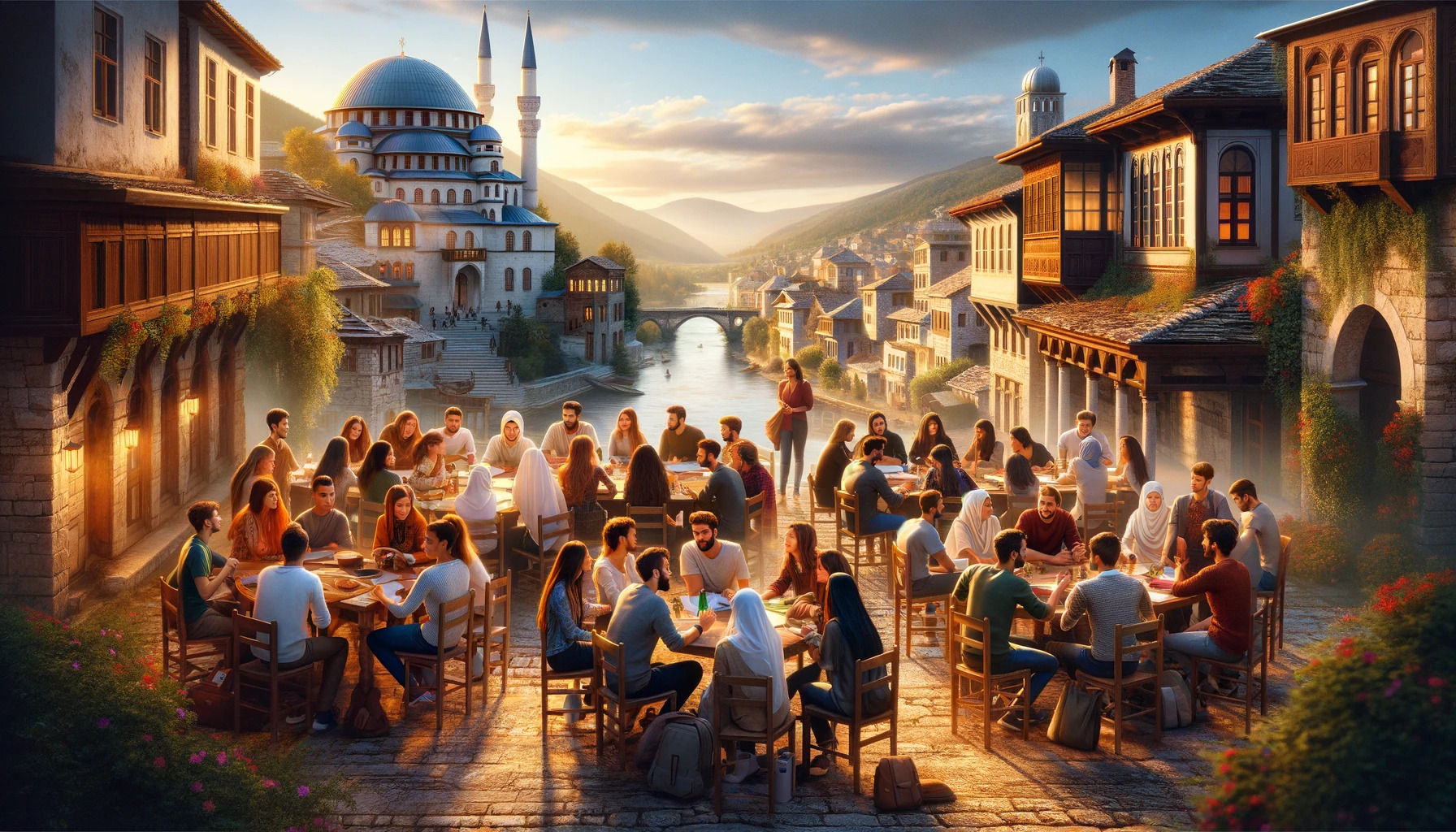
Cultural exchange programs in the Balkans serve as a dynamic platform for participants to immerse themselves in the rich tapestry of Balkan cultures. These programs, ranging from summer schools to year-long academic exchanges, are designed to promote mutual understanding and respect among the youth of different Balkan countries and their international peers. They offer a unique blend of educational and cultural immersion, enabling participants to gain a deeper appreciation of the region’s history, art, language, and societal norms.
Key Benefits of Participation:
- Enhanced Intercultural Communication: Participants learn to navigate and appreciate diverse cultural landscapes, breaking down stereotypes and fostering mutual respect.
- Academic and Professional Development: Exposure to different educational systems and professional environments equips students with a broader perspective on their field of study.
- Language Skills: Immersion in a new linguistic environment accelerates language acquisition, a valuable asset in the global job market.
- Lifelong Friendships: Bonds formed during these exchanges often last a lifetime, building a network of global citizens committed to cross-cultural understanding.
Study Abroad Programs in the Balkans
Study abroad programs in the Balkans are not just about academic credit; they are an adventure into the heart of Europe’s most diverse region. From the surprising truth about Romanians—their warm hospitality and rich historical narratives—to the serene landscapes of Slovenia, these programs offer students a comprehensive learning experience that transcends traditional classroom boundaries.
Opportunities to Explore:
- University Partnerships: Many Balkan universities have partnerships with institutions worldwide, offering courses that cater to a wide array of academic interests, from Balkan history to contemporary business practices.
- Language and Cultural Immersion: Specialized programs focusing on language acquisition and cultural studies provide students with an in-depth understanding of the local context.
- Research Opportunities: The Balkans, with its rich historical and cultural heritage, is an ideal location for students interested in archaeology, anthropology, and history.
Educational Initiatives and Their Impact
Educational initiatives across the Balkans aim to harness the usefulness of schools in promoting peace, understanding, and cooperation. Projects focused on history education reform, for example, seek to present a balanced view of the region’s past, encouraging critical thinking and empathy among young learners. Moreover, EU-funded programs like Erasmus+ facilitate not just academic exchanges but also collaborative projects among institutions, enhancing the educational infrastructure and fostering innovation in teaching and learning methods.
Read more: Top Programs To Open .SAV Files
Highlighting Success Stories:
- Cross-Border Collaborations: Schools and universities across the Balkans collaborate on projects that bring students together for cultural festivals, academic conferences, and sports events, promoting camaraderie and understanding.
- Community Engagement Projects: Many exchange programs include community service components, allowing participants to contribute to local communities, enhancing their social impact.
Writing an Impressive Recommendation Letter for a Scholarship Abroad
For students aspiring to take part in these transformative experiences, securing a scholarship often necessitates how to write an impressive recommendation letter for a scholarship abroad. Such a letter should highlight the applicant’s adaptability, cultural sensitivity, academic achievements, and their potential to contribute positively to the exchange program. Personal anecdotes that reflect the candidate’s character and their enthusiasm for cross-cultural exchange can significantly bolster their application.
Conclusion: The Unifying Power of Education and Cultural Exchange
The Balkans, with its storied past and vibrant present, offers a unique setting for cultural exchange and educational growth. Through the various programs and initiatives detailed above, participants not only gain academic and professional advantages but also become part of a larger movement towards regional reconciliation and global understanding. In doing so, these exchanges underscore the profound impact of education and interpersonal connections in building bridges across cultures and nations. As the world becomes increasingly interconnected, the role of such programs in fostering global citizenship and mutual respect cannot be overstated. The Balkans, once a region marked by division, now stands as a beacon of hope and unity, demonstrating the transformative power of cultural exchange and education.